

Winter can be tough on fences. Between cold snaps, heavy rain, and shifting soil, it’s one of the most damaging seasons for homeowners who haven’t prepared.
But here’s the good news: you don’t need a full overhaul to get your fence through the winter—just the right maintenance, done at the right time. Whether your fence is wood, vinyl, chain link, or aluminum, a little prep now can prevent expensive repairs come spring.
Here’s exactly how to keep your fence standing strong until warmer days return.
Why Winter Is So Hard on Fencing
Let’s break it down:
Winter brings a brutal mix of moisture, temperature swings, and wind. And each of those can stress your fence in a different way.
- Water from rain or snow seeps into cracks—then freezes and expands
- Cold air makes wood brittle, especially if it’s untreated
- Wind rattles loose panels and puts strain on leaning posts
- Soil movement from freezing and thawing can shift foundations
If you’ve got an older fence—or skipped fall maintenance—winter will find its weak points fast.
Start with a Final Clean-Up
Even if you cleaned your fence in the fall, winter calls for a second pass. You want everything dry and clear before conditions get worse.
✅ Here’s what to do:
- Rake away wet leaves and debris from the fence base
- Clear out gutters or drains near your fence line
- Gently hose off mud and mildew buildup—then let it dry fully
- Cut back any branches hanging over your fence
Moisture is the #1 enemy this time of year. Keeping your fence dry helps prevent swelling, cracking, or rot.
Inspect for Vulnerable Spots
Before the freezing temps set in, take 15 minutes to do a visual check.
Look for:
- Cracked or splintered boards
- Rusted screws or nails
- Leaning posts or shaky sections
- Gaps in joints or hardware
Catching these issues now means you can stabilize or reinforce your fence before the damage accelerates.
Reinforce or Repair Before It’s Too Late
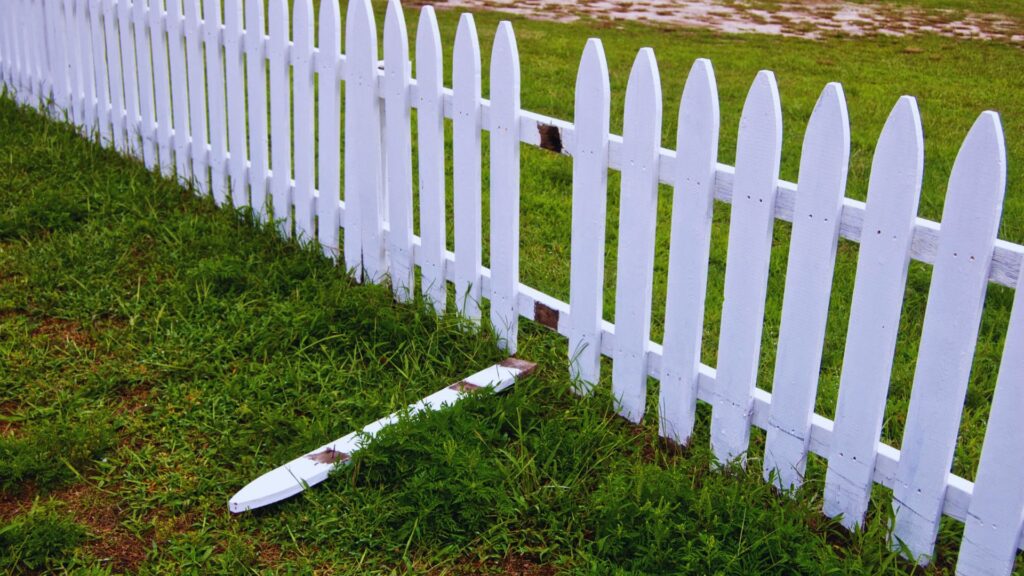
Got a loose panel? A leaning post? A wobbly gate? Fix it now—because winter doesn’t wait.
- Tighten screws and brackets wherever possible
- Seal exposed wood or joints with a waterproof wood treatment
- Reinforce problem areas with extra supports or braces
- Replace any pieces that are already falling apart
You don’t have to fix everything yourself. Sometimes it’s better (and safer) to bring in a professional.
⚠️ Small problems become big ones fast. Let Bullzeye Fence handle your pre-winter repairs before it’s too late.
What About Vinyl and Metal Fences?
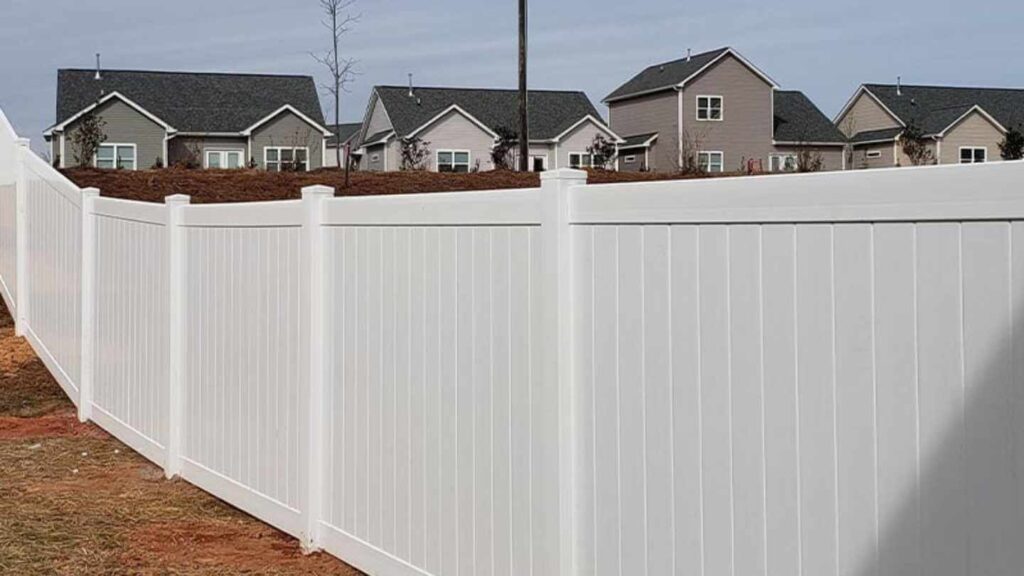
Vinyl and aluminum hold up better in moisture—but they’re not immune.
- Vinyl can crack in extreme cold if it’s already brittle or poorly installed
- Aluminum can shift if posts aren’t properly anchored
- Rust-prone hardware (like old chain link connectors) should be checked and replaced if needed
If your fence has seen a few winters already, it’s worth having a pro check its structural health.
Final Thoughts: Winter-Proofing Is Peace of Mind
You don’t have to wait until spring to find out what went wrong.
With a quick winter prep and a few smart fixes, your fence will make it through the cold months just fine.
Here’s the bottom line:
- Keep it dry
- Reinforce weak spots
- Stay ahead of storms
- Get help when it’s too much
At Bullzeye Fence, as a fence contractor we help North Carolina homeowners protect their fences all year round—but winter is when expert help makes the biggest difference.
🛠️ Need a hand with cold-weather fence prep or repair?
Contact Bullzeye Fence today and we’ll handle it before the weather turns worse.