
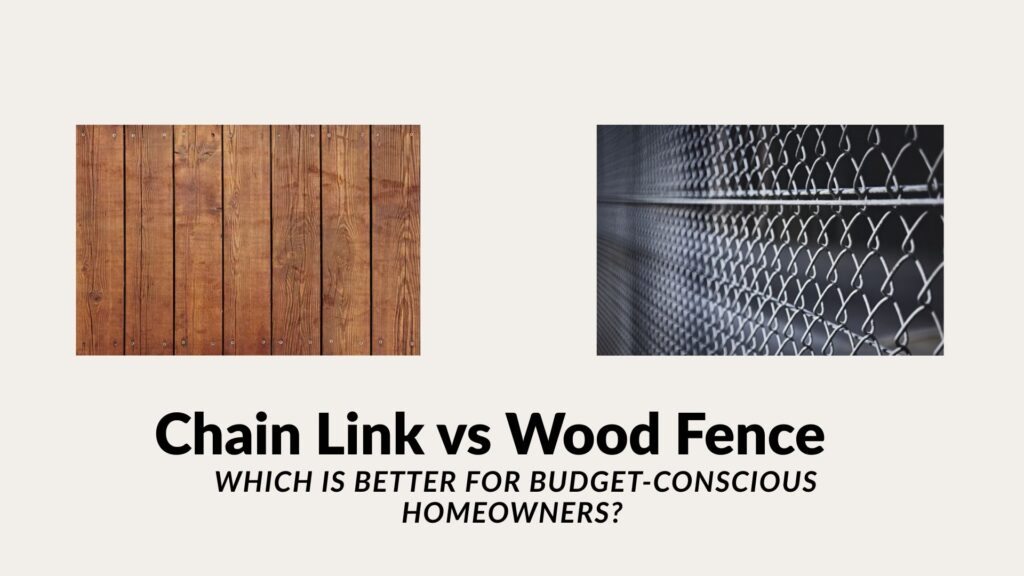
Chain link fences offer lower initial cost and minimal maintenance, while wood fence gives privacy and curb appeal but can rot, splinter, and require frequent repairs, so you must weigh upfront savings against long-term upkeep.
Key Takeaways:
- Chain-link fences offer the lowest upfront cost and minimal maintenance, but provide limited privacy and curb appeal.
- Wood fences cost more initially and require regular upkeep, yet deliver better privacy, aesthetics, and potential resale value.
- Choose chain-link for strict budgets and low-maintenance priorities; choose wood if appearance and privacy justify higher cost and ongoing care.
Initial Material and Installation Costs
Costs for materials and installation vary: you’ll often find chain link offers the lowest upfront cost, while wood demands higher material and labor expenses; installation for wood can double your budget if you choose custom posts or gates.
Price Points of Galvanized Chain Link
Galvanized chain link stays budget-friendly: you’ll pay less per linear foot, and installation is faster; expect low maintenance but accept minimal privacy and potential rust if the coating is damaged.
Budgeting for Pressure-Treated vs. Cedar Wood
Wood options vary: you’ll spend less on pressure-treated lumber but pay more for cedar’s natural decay resistance and appearance; factor in staining, sealing, and labor when planning your budget.
Consider that pressure-treated pine costs less initially, but you’ll likely need to stain it every few years and it can warp; cedar requires higher upfront investment, yet you get better rot and insect resistance, a longer lifespan, and often lower lifetime costs if you maintain it properly.
Longevity and Maintenance Requirements
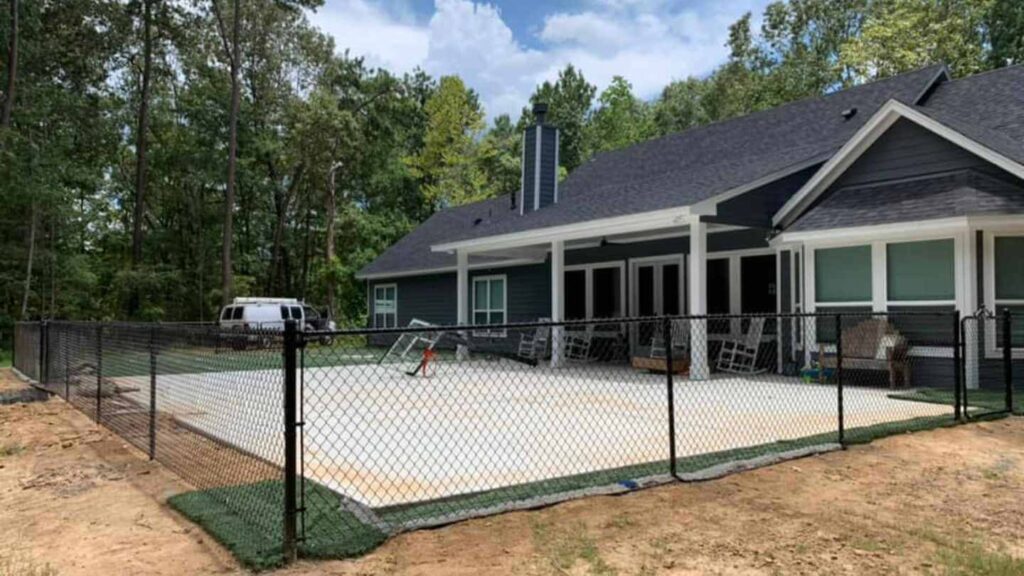
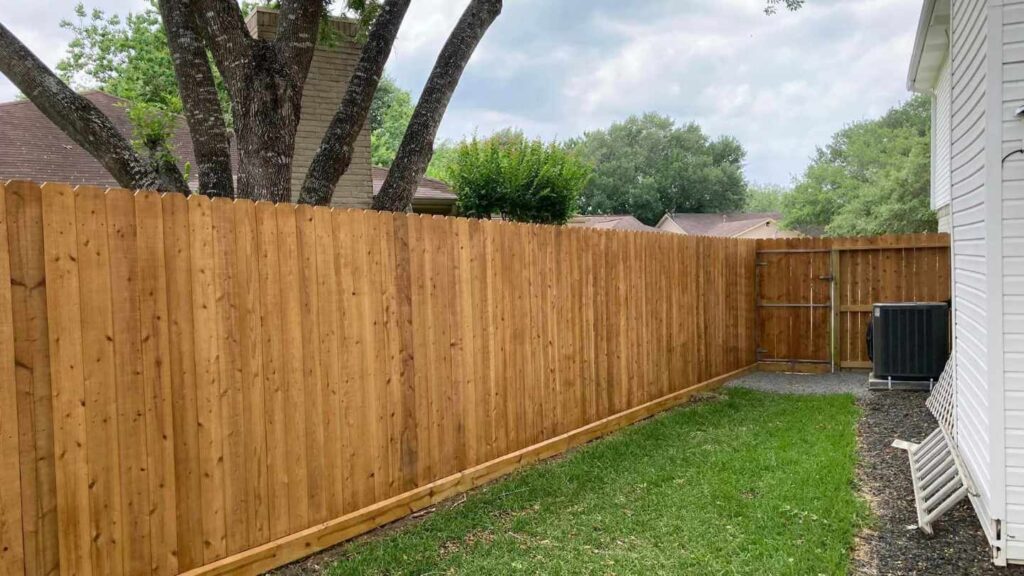
Lifespan expectations differ: you can expect chain link to last decades with minimal upkeep, while wood needs regular sealing and repairs; compare costs at Chain Link Fences vs Wood Fences: Which Is Cheaper?.
Minimal Upkeep of Metal Fencing
Metal chain link resists rot and insect damage, so you only need occasional cleaning and rust checks, letting you keep maintenance costs low and predictable.
Staining, Sealing, and Repair Costs for Wood
Wood requires staining and sealing every few years and prompt board replacement after rot or warping, so you should budget for routine care and occasional repairs.
Expect periodic staining, sealing, and board replacement; you’ll face material and labor costs, plus faster deterioration if moisture or pests attack-neglect can produce higher long-term expenses than initial savings, so weigh DIY versus professional pricing carefully.
Privacy and Aesthetic Impact
Privacy shapes how you use outdoor space and how neighbors perceive your home; wood offers near-complete seclusion, while chain link maintains open sightlines. You must balance maintenance and upfront cost when deciding.
Visual Seclusion with Solid Wood Panels
Wood panels give you complete visual seclusion, reduce street noise, and define your backyard as a private room; expect higher upfront cost and regular staining to prevent rot.
Open Sightlines and Privacy Slats for Chain Link
Chain-link keeps views open and costs low, but offers limited privacy unless you add privacy slats or plants; you may accept visibility in exchange for affordability.
You can fit slats (vinyl, PVC, or aluminum) into chain-link mesh to create a visual barrier; they deliver noticeably more privacy, add wind resistance, and require occasional cleaning. Expect moderate installation cost and potential fading or damage over time.
Installation Complexity and Labor
Chain-link usually demands less labor than wood: you dig fewer posts, attach mesh quickly, and often finish a run in a day; lower labor costs favor budget projects.
Specialized Tools for Metal Posts
Installing metal posts often requires specialized tools like a post-hole digger, hydraulic driver, or concrete mixer; you may rent equipment, increasing upfront costs but speeding the job; use caution with powered drivers.
Skill Levels Required for Timber Construction
Wood fences demand more carpentry: you must cut, square, and securely fasten panels; mistakes lead to uneven runs or rot-prone connections; higher skill increases durability.
Expect to spend time on layout, precise post spacing, correct concrete setting, and protective finishes; you should be comfortable with saws, levels, and framing techniques, or hire pros to avoid structural failure, rot, and safety hazards, while enjoying greater customization and easier long-term repairs.
Property Value and Curb Appeal
Curb appeal shapes first impressions; when you choose wood, you boost charm and resale value, while chain-link keeps expenses down but may lower perceived desirability-so you weigh cost versus market return.
Enhancing Resale Potential with Traditional Wood
Wood adds classic warmth and privacy, so you often recover more at sale; expect ongoing maintenance to prevent rot and pest damage that can erode value.
Functional Utility and Industrial Durability
Chain-link favors function: you get low-cost, long-lasting security and easy repairs, though its industrial look can reduce curb appeal compared with wood.
Security choices should match your priorities: you can coat chain-link to resist weather and rust, add privacy slats for visual appeal, and repair sections cheaply, but you sacrifice sound reduction and the traditional look that often attracts buyers, so you must balance utility against resale expectations.
Environmental Impact and Sustainability
Your fence choice affects emissions, waste, and biodiversity: chain link’s steel is highly recyclable while wood stores carbon but can cause deforestation or toxic leaching; you should weigh long-term replacement and disposal impacts when budgeting.
Recyclability of Steel Components
Steel fence parts are typically highly recyclable, so you can recover scrap value and avoid landfill; galvanized coatings rarely stop recycling, but you should separate mixed materials to maximize returns.
Sourcing and Life Cycle of Natural Wood
Wood fences can store carbon and feel natural, yet you risk deforestation and chemical exposure from pressure-treated lumber; you should seek certified, sustainably harvested species and factor replacement frequency into costs.
If you prioritize sourcing, choose certified labels and local species to reduce embodied emissions and deforestation; FSC-certified wood and reclaimed lumber lower impact, while long transport, frequent replacement, and toxic preservatives increase environmental and health costs over time.
Summing up
When comparing a chain link fence vs wood fence, the right choice depends on your budget, maintenance goals, privacy needs, and the overall look you want for your property. A chain link fence is usually the better option for homeowners who want a lower upfront cost, faster installation, and minimal long-term upkeep. It works well for securing yards, pets, and property lines without requiring frequent maintenance. A wood fence, on the other hand, offers stronger privacy, a warmer appearance, and better curb appeal, but it comes with higher installation costs and ongoing staining, sealing, and repair needs. For homeowners deciding between wood fencing and chain link fencing, the best option comes down to whether you value affordability and durability more, or privacy and appearance.
If you are still deciding between a wood fence and a chain link fence, Bullzeye Fence, LLC can help you choose the best option for your property, budget, and long-term goals. Our fence contractor team installs quality fencing solutions designed for privacy, security, durability, and curb appeal. Whether you need a chain link fence installation, wood fence installation, or guidance on the right fence style for your home, Bullzeye Fence, LLC is here to help you move forward with confidence.