
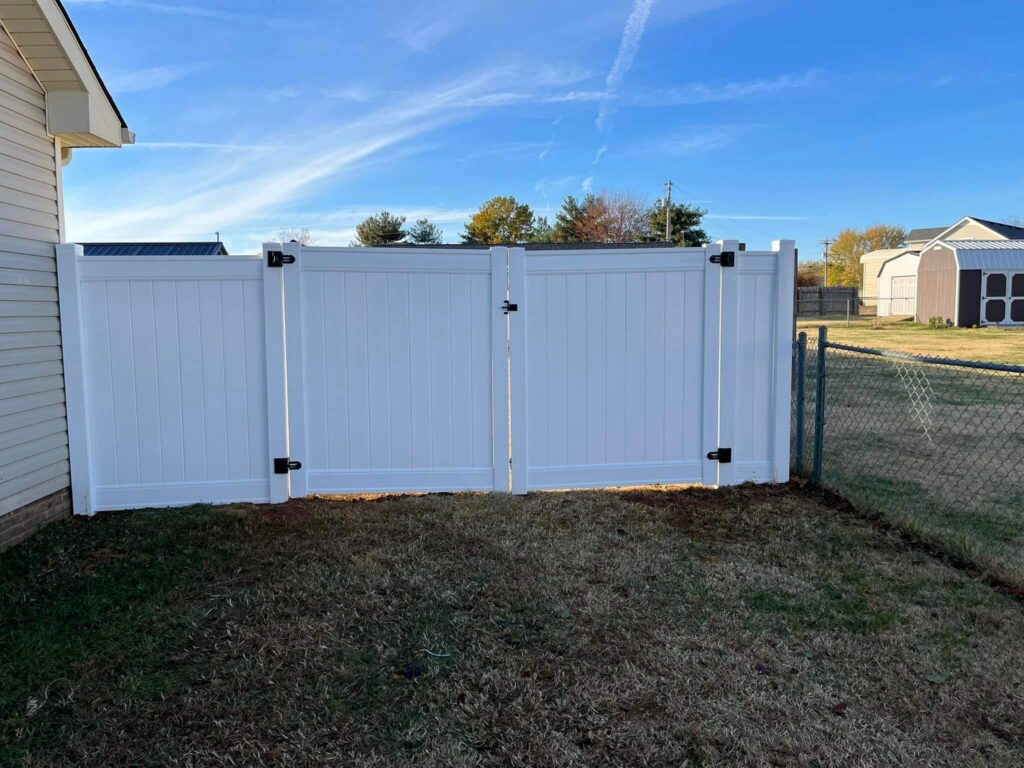
You should weigh stronger wind resistance of privacy vinyl against the sail effect risk it creates, while semi-privacy offers improved airflow with less wind load; choose by yard wind speed, post spacing, and fence anchoring for best performance.
Key Takeaways:
- Semi-privacy vinyl panels let wind pass through, cutting wind load on posts and panels and reducing the chance of blowouts in consistently windy yards.
- Privacy vinyl provides complete screening but traps wind, requiring shorter heights, stronger posts, deeper footings, or wind-rated panel options to avoid damage.
- Local wind exposure, fence height, and installation quality determine the best choice; favor semi-privacy for high-wind sites unless you can upgrade structural supports for solid panels.
Wind Load Dynamics: How Fencing Reacts to High Gusts
You should expect solid panels to catch wind like sails, transferring large forces to posts and rails; high gusts can bend posts or rip fasteners if the system isn’t designed for uplift and lateral load.
The Sail Effect of Solid Privacy Panels
Solid panels force you to reinforce posts because they act as sails, creating intense lateral pressure that focuses stress on rails and fasteners, increasing the likelihood of failure during sustained gusts.
How Semi-Privacy Gaps Relieve Air Pressure
Gaps in semi-privacy fencing let air pass through, so you experience reduced uplift and lateral loads, lowering stress on posts and minimizing panel flutter that wears fasteners.
When you space slats and stagger seams, semi-privacy gaps break up wind pulses so you see lower peak pressures and less sway, letting you install lighter rails and easing maintenance. You must size gaps and reinforce end posts because improper spacing can concentrate forces or allow wind-driven debris to hit structures.
Structural Integrity and Material Quality
Structural integrity hinges on vinyl profile quality and post anchoring, so you must pick materials that resist wind loads and UV; poor materials increase collapse risk while higher-quality vinyl lasts longer.
Importance of Commercial-Grade Vinyl Thickness
Thickness of commercial-grade vinyl determines stiffness and impact resistance, so you should choose heavier profiles to reduce panel flex and limit wind damage to your fence.
Aluminum Inserts and Post Reinforcement Strategies
Aluminum inserts inside posts greatly increase lateral support, so you should use corrosion-resistant inserts and tighter post spacing to prevent bending and blowouts in high winds.
Post reinforcement works best when you set posts in concrete to frost-line depth (or at least 2-3 feet), place a gravel base for drainage, and install aluminum inserts that extend the full post length. You should fasten rails with stainless hardware, consider through-bolts or mechanical anchors, and add cross-bracing where wind funnels; these steps reduce the danger of post bending and collapse and extend fence life.
Privacy Levels and Aesthetic Considerations
Privacy levels influence how your fence balances wind resilience and style; choose solid panels for maximum shelter or slatted options for airflow and design.
Total Seclusion vs. Filtered Visibility
Total seclusion gives you full sightline protection but increases wind pressure; filtered visibility lets gusts pass while preserving privacy and reducing structural stress.
Enhancing Curb Appeal with Semi-Privacy Designs
Semi-privacy panels let you maintain views and create visual interest so your yard feels open, while still offering moderate screening that handles gusts better than solid walls.
You can use alternating slats, varied heights, and mixed materials to boost curb appeal while letting wind through; pairing narrow gaps with reinforced posts maintains aesthetics without raising wind load risks. Choose durable finishes and secure fasteners to limit maintenance, and test panel spacing in typical gust conditions so your design stays both attractive and resilient.
Installation Best Practices for Windy Areas
When you install fencing in exposed yards, set posts into concrete footings, stagger panel seams, and orient panels to reduce sail effect. You should also plan for frequent inspections after storms to catch loose fasteners early.
Optimal Post Depth and Concrete Footing Standards
Dig posts at least one-third of their aboveground height or a minimum of 30 inches, deeper where frost is an issue. Use properly mixed concrete and tamp to eliminate voids so posts resist uplift and rotation during sustained gusts.
Secure Rail-to-Post Connections to Prevent Blowouts
Attach rails with high-strength fasteners and galvanized brackets, using through-bolts or lag screws into posts. Ensure connections are tightened and backed with washers; loose or undersized fasteners are the most common failure during high winds.
Inspect every rail-to-post connection and install heavy-duty, hot-dip galvanized or stainless steel through-bolts with lock washers; where allowed, use carriage bolts with backing plates. Add metal brackets sized for lateral loads and set blocking or timber studs inside posts to prevent crushing. Pay special attention to end and corner assemblies-use doubled rails and extra fasteners-because undersized bolts can shear under gusts, while through-bolts and brackets dramatically reduce blowouts.
Climate Resilience and Long-Term Durability
Climate-tested privacy vinyl resists sustained gusts better than semi-privacy styles; you should choose panels with reinforced rails and wind-rated certifications to ensure years of reliable performance in windy yards.
UV Resistance and Preventing Brittle Fractures
UV stabilizers in premium privacy vinyl slow color loss and limit brittle fractures, so you should select materials with documented UV ratings to avoid cracking after prolonged sun exposure.
Maintenance Requirements for High-Stress Environments
Inspect posts, fasteners, and pickets after storms; you must tighten loose hardware and replace warped sections quickly to prevent system failure in high winds.
Seasonal upkeep includes washing off salt and debris, checking for hairline cracks, applying approved sealants, and keeping a maintenance log so you can schedule prompt repairs and extend fence life.
Cost-Benefit Analysis for High-Wind Zones
Analysis shows you should weigh upfront costs against wind resistance and expected repair frequency; high winds raise long-term expenses, so your choice affects both budget and safety.
Initial Installation Costs Comparison
Pricing for you shows privacy vinyl runs higher per panel, while semi-privacy is cheaper but may need added bracing; anticipate a 10-30% installation difference in windy yards.
Installation Cost: Privacy Vinyl vs Semi-Privacy
| Privacy Vinyl | Semi-Privacy Vinyl |
|---|---|
| Higher cost per ft; usually requires stronger posts | Lower cost per ft; often needs extra bracing |
| Labor: Moderate-High | Labor: Moderate |
| Reinforcement lowers post-storm repairs | More frequent post-storm fixes possible |
Long-Term Value and Potential Repair Savings
Savings you see from privacy vinyl appear over time due to fewer post-storm repairs, while semi-privacy may cost less initially but incur higher repair frequency in sustained winds.
Consider how lifespan and repair rates change your total cost: privacy vinyl typically withstands gusts better, lowering replacement frequency and annual repair costs, while semi-privacy might force you to reinforce posts or replace panels more often after storms. You should factor warranty length, expected wind speeds, and emergency-repair expenses when projecting decade-long totals.
Summing up
Choosing between privacy vinyl and semi-privacy vinyl in a windy yard isn’t just about appearance — it’s about how your fence will handle constant pressure from gusts over time.
Privacy vinyl delivers full screening but requires stronger structural support to resist the sail effect created by solid panels. Semi-privacy vinyl, on the other hand, allows airflow that helps reduce wind load and stress on posts, making it a practical choice for open or exposed properties.
The right solution depends on your yard’s wind exposure and the quality of installation. Working with an experienced fence contractor ensures your vinyl fence is properly anchored, reinforced, and built to perform in demanding conditions.
At Bullzeye Fence, LLC, we help homeowners select and install vinyl fencing that balances privacy with durability — especially in areas prone to steady winds. If you’re planning a fence for a windy property, our team can recommend the best option for long-term performance and stability.