
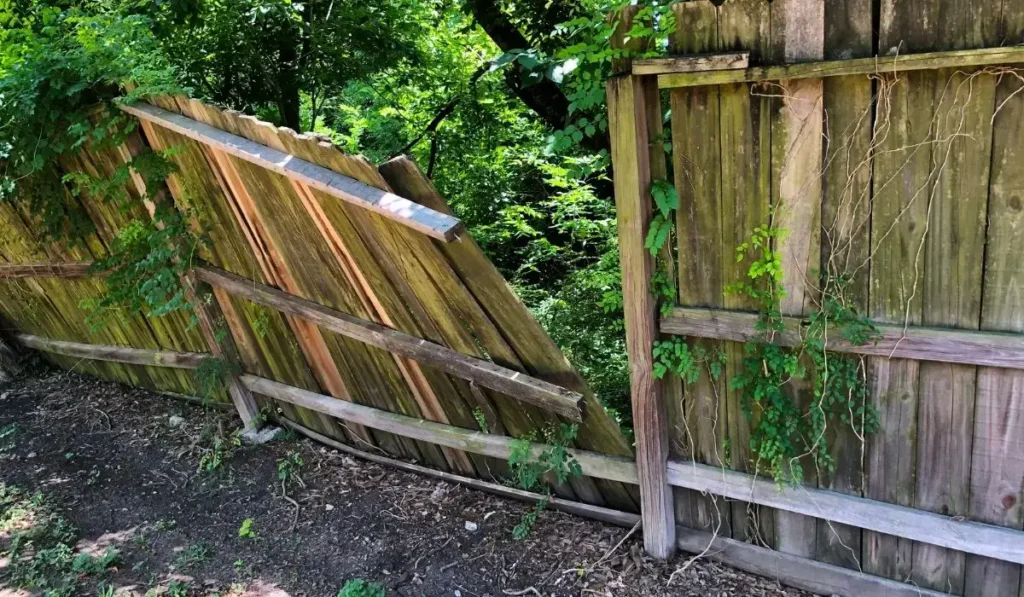
You can stop fence failure by diagnosing moisture at the base: rot eats posts from the ground up, risking collapse, and proper drainage, post caps, and pressure-treated or concrete-set posts prevent decay.
Key Takeaways:
- Wood posts rot at the base because continuous ground contact traps moisture and exposes wood to soil-borne fungi and insects.
- Use pressure-treated or naturally rot-resistant lumber, isolate posts from direct soil with gravel, concrete, or metal post bases, and provide good drainage to prevent decay.
- Perform regular inspections, clear vegetation and soil from around posts, and reapply sealant or replace damaged sections to catch rot early and prolong fence life.
Primary Factors Driving Below-Ground Wood Decay
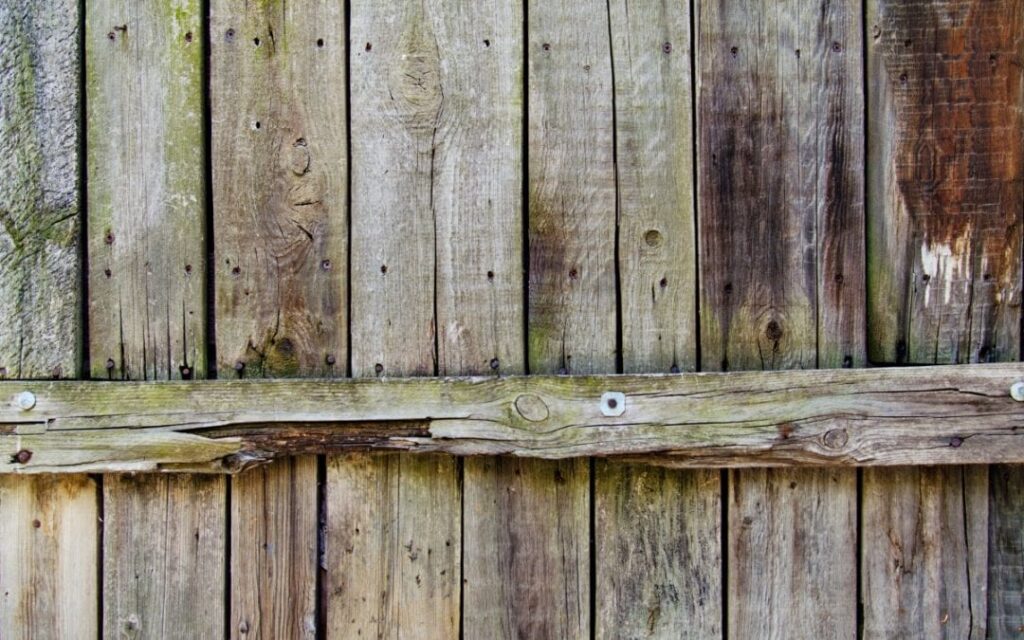
Below-ground wood decay accelerates when you expose posts to constant wetness, aggressive fungi and untreated wood. After you improve drainage and use pressure-treated or barrier-protected posts, service life increases.
- Soil moisture saturation
- Poor drainage
- Fungal activity
- Soil microbes
- Inadequate treatment
Soil Moisture Saturation and Poor Drainage
Standing water around post bases leaves you with saturated wood that loses strength and invites decay; regrading, French drains or gravel collars reduce prolonged contact.
Fungal Activity and Microbial Breakdown
Fungi invade damp wood fibers quickly, causing softening and fast structural loss; you must control moisture and treat posts to limit spread.
Spores persist in soil and colonize weakened wood when moisture and temperature align, so you must act early with barriers, end-grain sealing and regular inspections. You should choose fungicide-treated posts and keep air gaps at the base to slow invasion. Severe decay requires prompt replacement to restore safety and load capacity.
How to Select Rot-Resistant Materials
Choose materials labeled for ground-contact or naturally durable species to limit base rot. You should favor pressure-treated posts or dense heartwood and detail the base to shed moisture and avoid trapped soil against the post.
Identifying Ground-Contact Rated Pressure-Treated Lumber
Inspect product stamps for UC4A or UC4B ratings and explicit “ground-contact” labeling; you should confirm preservative retention and treatment type so posts withstand direct soil exposure.
Utilizing Naturally Durable Wood Species
Select species like cedar, redwood, or black locust whose heartwood resists decay; you should avoid sapwood and consider these woods when chemical treatment isn’t desired.
Cedar delivers good rot resistance, but you should still use heartwood and seal end grains to slow decay. Black locust and ipe provide exceptional lifespans because of dense, oily heartwood; they tolerate ground contact better than most softwoods. Avoid burying sapwood-it rots quickly-and use post caps, flashing, or metal anchors to keep the wood above wet soil for longer service life.
How to Install Posts for Maximum Longevity
Install posts so bottoms avoid constant wetting: set posts on gravel or concrete footings, slope tops to shed water, and use pressure-treated wood or a post cap. If you keep soil contact minimal and prevent standing water, your fence will last far longer.
Establishing Gravel Bases for Sub-Surface Drainage
Gravel creates a drainage layer that keeps water away from post bottoms; dig below the frost line, pack coarse gravel tightly, and rest the post on a few inches of stone so you allow water to drain, not pool.
Crowning Concrete Footings to Divert Surface Water
Crown concrete footings by angling the top away from the post so surface water runs off; make the top rounded and sloped so you prevent pooling and reduce the risk of rot where wood meets concrete.
Shape the concrete top into a convex “mushroom” with at least a 1:12 slope (about 5°) away from the post so rain sheds quickly; use a rounded trowel finish and tool the edge to avoid water retention. You should leave a small gap or install a post sleeve and coat the concrete above grade with breathable sealant to stop wood-to-concrete wicking and reduce pooling that invites rot.
Proactive Tips for Sealing and Protecting the Base
Protect the base by sealing, grading soil away, and using post sleeves or concrete with drainage to stop moisture contact. Perceiving fence post rot risk early lets you apply preservatives and extend service life.
- Grade soil away and maintain drainage.
- Apply brush-on preservatives to all cuts.
- Install post sleeves or waterproof membranes.
Applying Waterproof Membranes and Post Sleeves
Install waterproof membranes or post sleeves to block soil moisture and splashback; seal seams with rated tape and allow ventilation to prevent trapped condensation.
Treating End-Cuts with Supplemental Preservatives
Brush or spray a compatible preservative onto all end-cuts immediately after cutting to restore protection and slow decay at the most vulnerable wood grain.
Apply brush-on products such as copper naphthenate or oil-based formulations, working the solution into the end-grain until it stops absorbing; allow full drying between coats and finish with a compatible sealant. You must follow label directions and wear protective gear because untreated end-grain rots fastest. Reinspect cuts during maintenance and treat cuts immediately to maximize post lifespan.
Environmental Factors Influencing Maintenance Schedules
Weather patterns, moisture, and sun exposure alter how often you inspect posts; adjust your maintenance schedule accordingly. Assume that wetter sites with poor drainage demand inspections twice yearly and post rot risk increases near soil contact.
- Moisture and drainage
- Sun exposure and humidity
- Soil type and slope
Managing Vegetation and Organic Debris Accumulation
Brush and overgrowth trap moisture against posts and speed decay; you should clear plants, mulch, and leaves away to maintain air flow and reduce rot.
Monitoring Soil Grade and Erosion Impacts
Grade shifts and erosion expose or bury post bases, changing moisture contact; you must monitor slope, add backfill, and improve drainage to protect soil around posts.
Erosion around posts signals ongoing water movement that can undermine footings and create leaning posts or exposed footings. You should inspect after heavy rains, check for gullies, and note any settlement. For repairs, add compacted gravel or engineered backfill, reroute runoff with swales or downspout extensions, and consider concrete collars or metal post anchors where washouts recur to halt further soil loss.
How to Stabilize and Repair Minor Base Rot
When you spot localized rot, remove all soft wood, dry the area, and temporarily brace the post; then add reinforcement or consolidant and realign the post to restore load-bearing capacity while eliminating soft pockets that invite further decay.
Installing Steel Reinforcement Splints
Install steel splints by exposing the sound timber, sliding plates or U-channels alongside the post, and bolting them through; seal interfaces with marine epoxy so you block moisture and cut the risk of structural failure.
Applying Wood Consolidants and Fillers
Treat remaining fibers with a penetrating epoxy consolidant to harden compromised wood, then pack voids with epoxy filler or putty; allow full cure, sand smooth, and coat to stop moisture and pests from returning.
Mix and apply a low-viscosity epoxy consolidant after you remove loose rot and dry the post to below about 20% moisture, using brushes or injection so the resin fully penetrates fibers; once rigid, fill gaps with a compatible putty, shape, sand, prime, and paint to seal. Avoid treating posts with widespread decay-if you lose over half the section, replace the post to prevent collapse.
To wrap up
Fence post rot is one of the most common — and most preventable — reasons wood fences fail at the base. When moisture becomes trapped where posts meet the soil, decay can quietly weaken the structure from the ground up until leaning or collapse occurs.
By choosing ground-contact-rated materials, improving drainage, isolating posts from direct soil exposure, and sealing vulnerable end grains, homeowners can significantly extend the lifespan of their fence. Routine inspections and early repairs also help catch minor decay before it spreads into major structural damage.
At Bullzeye Fence, LLC, we help homeowners prevent and address fence post rot with proper installation methods, reinforced footings, and moisture-control solutions built for local conditions. Whether you’re installing a new wood fence or noticing early signs of post decay, our team can ensure your fence remains strong and secure for years to come.
If your fence posts are showing signs of rot or instability, contact Bullzeye Fence, LLC for a professional fence contractor evaluation and long-term repair or replacement solutions.