
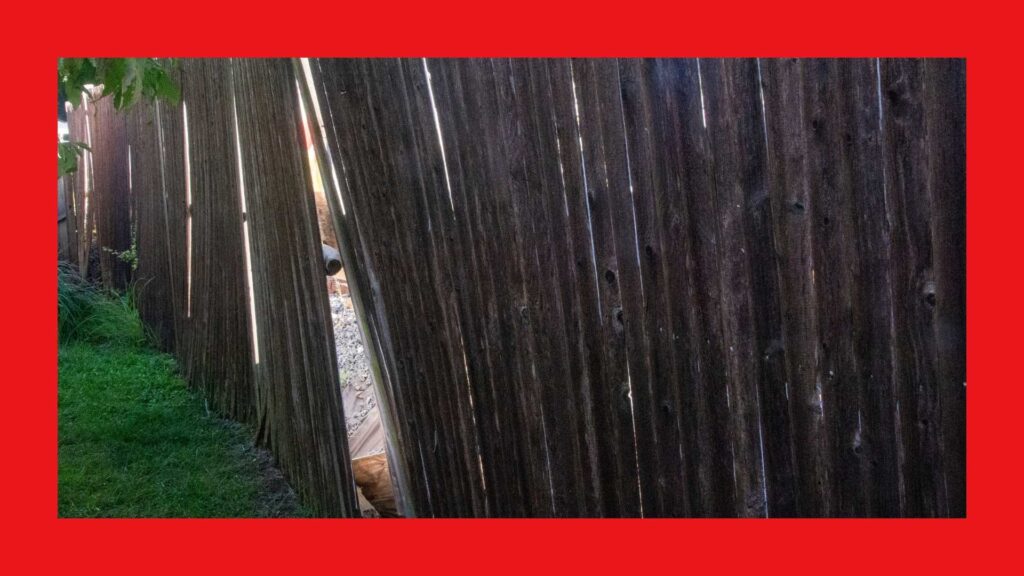
Repair a leaning wood privacy fence after heavy rain in Shelby, NC by resetting posts; you should install gravel and concrete footings and brace weak panels to avoid collapse and restore stability.
Key Takeaways:
- Set posts 24-36 inches deep with 3-4 inches of crushed stone at the bottom and a concrete collar, compact backfill tightly, and slope the concrete away from the post to prevent washout.
- Improve drainage along the fence line by grading ground to drain away, installing gravel trenches or a perforated drain pipe where water pools, and breaking up compacted clay to reduce saturation.
- Reinforce leaning sections by replacing rotten posts, using metal post anchors or new concrete footings, adding diagonal braces or tension wire, and using corrosion-resistant fasteners with rot-resistant wood.
Environmental Factors Impacting Western NC Fences
Rain soaks Western NC soil and tests your posts, leaving you with a leaning fence when drainage fails. Clay’s water retention and slope-driven runoff add lateral pressure on posts, and standing moisture invites rot. This increases post movement and accelerates decay.
- Red clay soil
- Steep terrain
- Heavy rain
- Poor drainage
Understanding Red Clay Soil and Water Retention
Clay holds water against your post bases, so you see more heave and rot when you don’t improve drainage; you should expect slower drying and increased post failure risks if you leave saturated soil against wood.
The Role of Steep Terrain in Post Displacement
Slopes concentrate runoff and push lateral loads against your fence, which can tip posts downhill faster than flat sites; you must plan for greater anchoring and erosion control to protect line posts.
Hillsides force you to address both lateral pressure and erosion: brace end and corner posts, set intermediate posts deeper on downhill sides, and use gravel-packed holes or concrete footings where soil movement is severe. You should install surface drains or swales above the fence, tie posts to buried deadman anchors on steep runs, and consider geotextile and retaining features to reduce washout and prevent recurring leaning.
How-to Assess the Severity of the Lean
Assessing degree and progression of a lean lets you rank repairs; you should combine a visual sweep with a plumb line and photos to detect if the tilt is settling or signals structural failure and collapse risk.
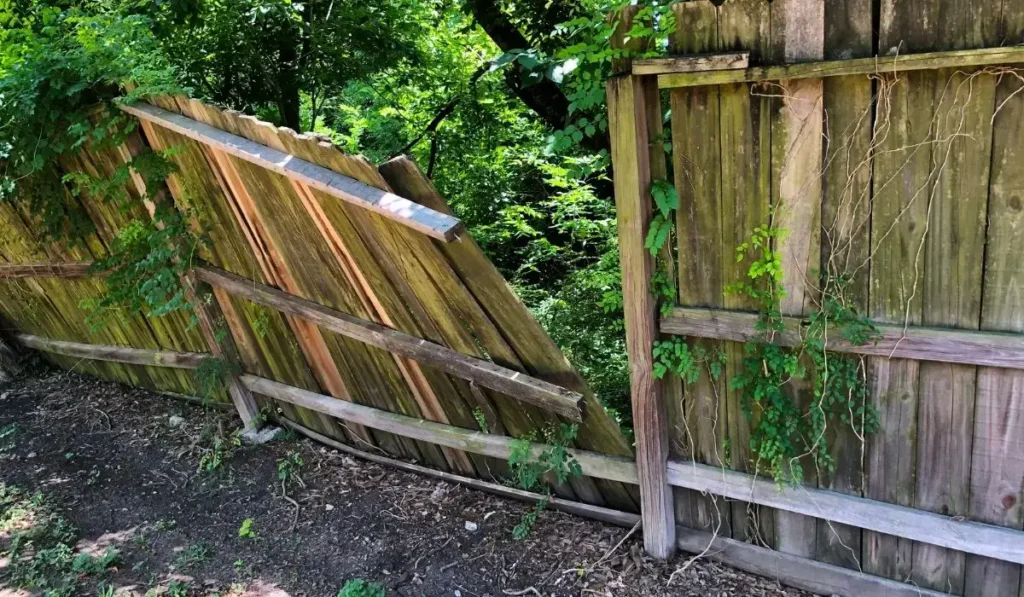
Distinguishing Between Soil Failure and Post Rot
Inspecting the base reveals whether saturated soil has shifted or the post shows rot; you should probe at ground level, wiggle posts, and look for soft, crumbly wood or soil washout to decide repair method.
Measuring Plumb and Checking Structural Integrity
Measure plumb with a line or level along several posts; if posts move freely or rails crack, mark unsafe sections and avoid leaning on the fence until you brace or replace supports.
Confirm severity by measuring offset at top and bottom of each post; you should record inch or millimeter differences, compare against neighbors, and plan bracing or replacement for any post over 1-2 inches deviation to prevent failure.
Immediate Steps to Stabilize a Leaning Fence
You should prop leaning posts with temporary supports, clear saturated soil from bases, and align posts with a level before bracing; avoid standing beside unstable sections and call a professional if posts pull out or rot is visible.
Temporary Bracing Techniques During Saturated Conditions
Brace panels using 2x4s at a 45° angle to driven stakes, use ratchet straps to hold plumb, and set sandbags or gravel at post bases; do not overdrive stakes into soft, saturated ground.
Safety Precautions for Working on Sloped Areas
On slopes, work from the downhill side, secure footing with cleats or boards, and keep tools tethered; avoid loose soil and slopes steeper than 30° to reduce fall and roll hazards.
Wear sturdy, slip-resistant boots and gloves, use a safety harness on steep grades, and have a partner hold ladders; check for underground utilities before digging, mark edges, and stop work during active heavy rain-never work alone on unstable slopes where a fall or post collapse could injure you.
How-to Repair and Reinforce Fence Footings
You must inspect footings after storms, exposing silted holes, checking for rot and loose posts, then choose compacted gravel or deep-pour concrete to restore stability.
Replacing Eroded Soil with Compacted Gravel
After removing saturated soil, you should backfill with 3/4-inch crushed gravel, compacting in 4-inch lifts to create a drainage-friendly base that prevents future washouts and stabilizes posts.
Resetting Posts Using Deep-Pour Concrete Methods
Use deep-pour concrete to encase posts down to stable subsoil, forming a tapered cone that sheds water; let the mix fully cure before reattaching panels.
When you reset posts, dig at least 18-24 inches below grade to reach firm subsoil, place a 2-3 inch gravel pad, brace the post plumb, then pour deep-pour concrete as a flowing mix or in controlled lifts depending on soil conditions; slope the top away from the post, check vertical alignment, and wait the full cure time specified by the manufacturer before loading.
Tips for Improving Drainage Around the Fence Line
Address poor drainage near your wood privacy fence to prevent posts from rotting and leaning after heavy storms in Western NC; watch for standing water and saturated soil that accelerate failure. After you direct runoff away and add gravel backfill, you’ll reduce pressure on posts and improve long-term stability.
- Grade soil away from the fence to improve drainage.
- Install gravel backfill and a perforated French drain where needed.
- Redirect downspouts and roof runoff away from posts.
- Clear debris to prevent standing water that undermines posts.
Installing French Drains to Divert Runoff
Install a French drain trench sloped away from posts, lined with fabric, perforated pipe, and gravel so you can divert runoff from saturated post holes and reduce leaning. Keep the outlet clear to avoid clogging.
Creating Swales and Natural Grading Solutions
Shape shallow swales and gentle grading to channel runoff away from posts, slowing flow and reducing erosion so you can limit post movement.
Build swales by excavating a shallow trough 6-12 inches deep so you direct runoff to a safe discharge point, maintaining a 1-2% slope and using native soil. Reinforce banks with grass or erosion-control matting and plant deep-rooted grasses to reduce erosion; check after storms and regrade low spots that collect standing water.
Maintenance Tips to Prevent Future Leaning
Keep gutters clear, grade soil away from posts, and replace rotten posts to protect your wood privacy fence after storms. This ensures you limit future leaning from heavy rain in Western NC.
- wood privacy fence
- leaning
- heavy rain
- Western NC
- waterproof sealants
- Blue Ridge storms
Applying Waterproof Sealants to Reduce Weight Gain
Apply a marine-grade waterproof sealant to end grains and board faces so you reduce water absorption and prevent excess weight; recoat every two years to keep posts stable after storms.
Routine Inspections After Heavy Blue Ridge Storms
Inspect posts, rails, and fasteners within 48 hours of Blue Ridge storms; you check for softened soil, rot, or pulled anchors and tighten or replace hardware immediately to prevent collapse.
Check around each post base for standing water, erosion, or fresh tilt; probe timber with a screwdriver to detect hidden rot and test anchors by pushing the panel top. If you find soft posts or pulled anchors, shore with temporary braces and plan post replacement within weeks to stop a full-panel failure.
To wrap up
A leaning wood privacy fence after heavy rain isn’t just a cosmetic issue — it’s often a sign of deeper soil movement, drainage problems, or post failure common across Western NC’s clay-heavy terrain.
By improving drainage, resetting posts with gravel and concrete footings, and reinforcing weak sections, homeowners can prevent small shifts from turning into full structural collapse. Regular inspections after storms, proper grading, and the use of rot-resistant materials all help keep your wood fence standing strong through Blue Ridge weather patterns.
At Bullzeye Fence, LLC, we specialize in repairing and reinforcing wood privacy fences damaged by heavy rain and saturated soil conditions. Whether your fence is leaning, shifting, or showing early signs of post failure, our team can restore stability and extend its lifespan.
If your wood fence is leaning after recent storms in Shelby, NC, contact Bullzeye Fence, LLC for a professional wood fence repair assessment and keep your fence secure year-round.