
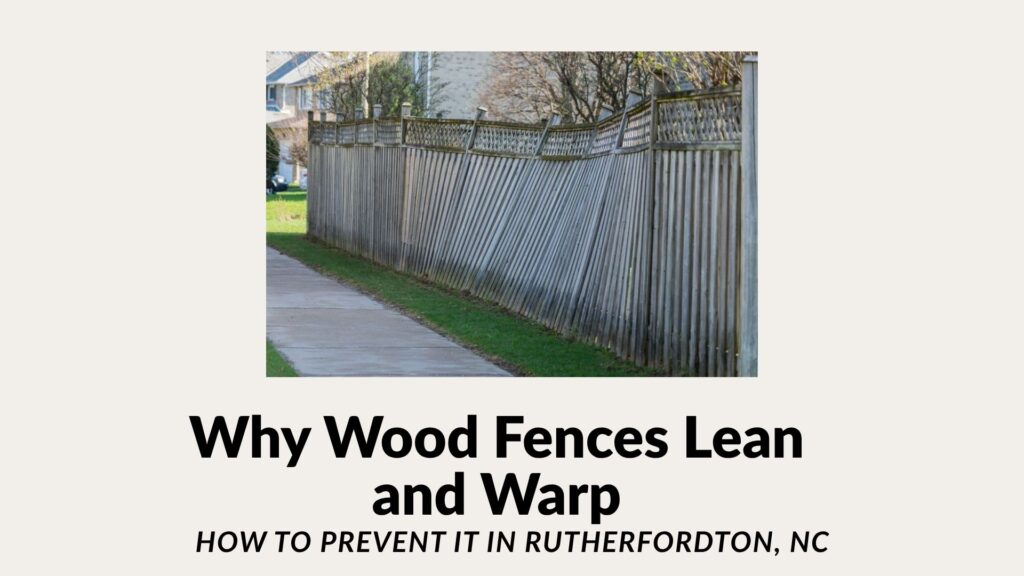
Just so you understand, in Rutherfordton, NC your wood fence leans and warps because of wet soil, rot and shifting posts, and you can prevent it with pressure-treated wood, sturdy concrete footings and proper drainage plus regular maintenance.
Key Takeaways:
- Moisture swings, untreated lumber, and inadequate footings cause leaning and warping in Rutherfordton’s humid, often rainy climate; clay soils and occasional freeze-thaw cycles also shift posts.
- Set posts on compacted gravel with concrete to proper depth, use pressure-treated or rot-resistant wood and galvanized hardware, and leave gaps for board expansion to prevent movement.
- Seal or stain every 2-3 years, inspect for rot and insect damage annually, repair loose posts promptly, and maintain drainage and vegetation clearance to keep fences straight.
The Impact of Rutherfordton’s Climate on Wood Longevity
Rutherfordton’s humid summers and cold, wet winters force wood to swell and shrink, so you’ll see faster warping, rot, and mildew in unprotected fences unless you use proper treatments and design.
High Humidity and Seasonal Moisture Fluctuations
Humidity in Rutherfordton makes wood absorb moisture rapidly, causing expansion, surface mold, and loose boards unless you seal, ventilate, and choose pressure-treated materials you maintain annually.
Regional Soil Composition and Drainage Challenges
Soils near Rutherfordton often retain water around posts, increasing the chance of base rot and leaning; you should improve drainage and use treated posts set on concrete or metal anchors.
Persistent clay-heavy soils and high water tables in Rutherfordton trap moisture, causing posts to sit in wet conditions that accelerate decay and frost heave; you should excavate to firm subsoil, add coarse gravel for a drainage layer, set posts on concrete pads or galvanized anchors above grade, and consider a perimeter drain or sloped grading to keep water away from fence bases.
Primary Factors Leading to Fence Leaning
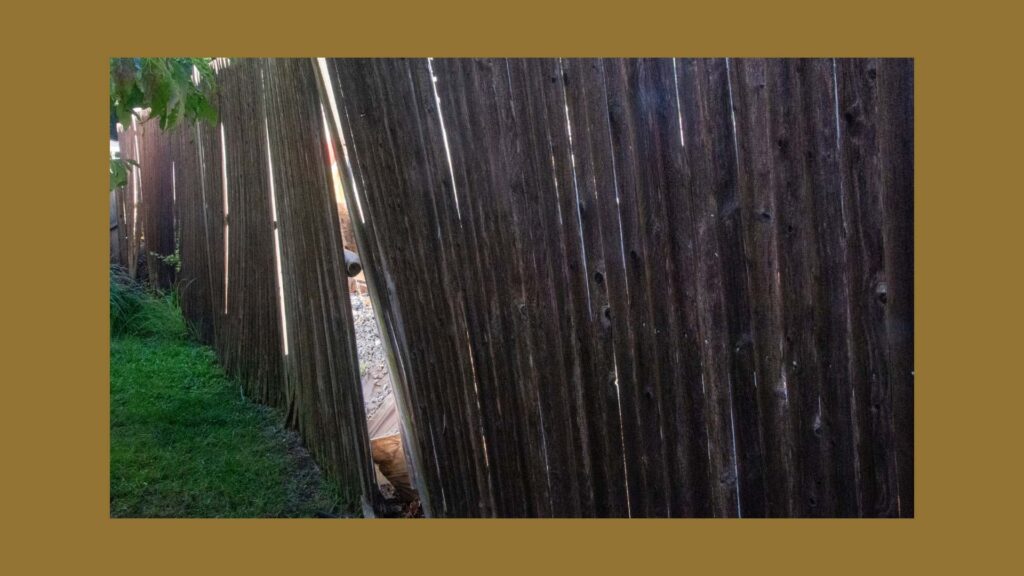
You face fence lean from moisture, rot, inadequate post depth, and soil movement. The list below highlights key causes.
- Moisture & Rot
- Insufficient Post Depth
- Poor Anchoring
- Soil Erosion & Shift
- Wind Stress
Insufficient Post Depth and Anchoring Techniques
Ensure you sink posts to appropriate depths and use concrete or anchors to resist frost heave and wind; shallow posts let fences lean quickly.
Soil Erosion and Ground Shifting in Western NC
When you build on sloped or clay soils near Rutherfordton, heavy rains and freeze-thaw cycles cause soil erosion and ground shift that undermines posts and tilts fences.
If you live in Rutherfordton, you must account for steep slopes, high annual rainfall, and clay-rich soils that hold water and slide during storms; you should grade around posts, add gravel backfill, install deep concrete footings, and use drainage solutions like swales or French drains to stop undermining. The right anchoring plus water control prevents tilt and cuts repair costs.
The Mechanics of Wood Warping
Wood shifts as moisture moves through boards, causing cupping, bowing, and twisting when one face dries faster than the other. You must address moisture-driven shrinkage and fastening stress to avoid leaning fences in Rutherfordton’s humid climate.
Uneven Drying Cycles and UV Exposure
Sunlight and alternating wet-dry cycles make outer faces shrink faster, creating tension that warps boards; you should apply UV-blocking sealant and allow uniform drying. Uneven drying is the fastest cause of cupping and twisting.
Material Grade and Grain Direction Vulnerabilities
Grain orientation and lower-grade lumber amplify movement: quarter-sawn resists warp better than flatsawn; knots and inconsistent density increase stress points. You must choose stable grain and proper treatment. Low-grade boards often lead to quicker sagging and leaning.
Choose higher-grade, kiln-dried or pressure-treated lumber with consistent grain; align boards so growth rings curve away from fence faces to reduce cupping. You should also inspect for sapwood and large knots, and install proper spacing and sealing. Quality material dramatically lowers warping risks.
Installation Standards to Combat Local Conditions
Local soil and humidity in Rutherfordton cause fences to shift; you should specify deeper posts and proper drainage to resist movement and rot. Use anchored footings and angled rails to reduce warping from wet summers and occasional freeze cycles.
Utilizing Pressure-Treated Lumber and Weather-Resistant Species
Choose pressure-treated lumber or naturally durable species like cedar or cypress so you can prevent rot and insect damage in Rutherfordton’s humid climate. Seal end cuts and maintain paint or stain to extend life and limit the warping that humidity triggers.
Professional Post Setting and Concrete Footing Best Practices
Set posts on a bed of compacted gravel, place concrete footings to channel water away, and sink posts below the frost line so you can avoid heaving and leaning from freeze-thaw and saturated soils common here.
Contractors recommend excavating holes wide enough for three times the post diameter and deep enough to reach the frost line or meet local code; you should pour concrete on a three- to four-inch gravel base, slope the top away from the post, and brace posts until the concrete cures. This approach prevents water pooling, heaving and premature rot in Rutherfordton’s wet soils.
Essential Preventative Maintenance Strategies
Routine maintenance keeps your fence straight and durable in Rutherfordton’s climate; you should inspect posts yearly, tighten hardware, replace decayed boards, and ensure proper post depth and concrete footings. Protect exposed wood with regular sealing to prevent rot and warping.
Application of High-Quality Sealants and Stains
Apply breathable stains or sealants every two to three years so you block moisture while letting wood dry; concentrate on end grains and post bases to delay decay and reduce visible warping.
Managing Landscape Irrigation and Vegetation Overgrowth
Control sprinkler coverage and keep water away from fence lines; you should hold soil grade at least six inches below rails and trim growth so air circulates, preventing excess moisture that can rot posts and cause leaning.
Inspect irrigation monthly and redirect heads or install drip systems that run away from posts; you should create drainage paths like gravel trenches or swales, maintain a minimum 12-inch clearance between shrubs and boards, remove climbing vines, and keep mulch off the wood to avoid soil-to-wood contact, which accelerates rot and warping.
Evaluating Structural Damage: Repair vs. Replacement
Assess post, rail, and footing conditions by probing and checking for lean or movement. If damage is localized, you can repair sections; widespread rot or multi-post leaning signals the need for full replacement to prevent collapse.
Identifying Terminal Rot and Structural Failure
Inspect posts and rails for deep soft spots, fungal growth, or wood powder; probe post bases with a screwdriver. If you find extensive rot or bends that compromise alignment, treat it as structural failure and plan for full replacement to avoid a safety hazard.
Strategic Reinforcement and Sectional Restoration
Reinforce sound sections by sistering new rails to existing ones, resetting leaning posts in concrete, and replacing only damaged pickets. These moves can extend service life and often avoid full replacement if foundations remain solid.
Consider reinforcing by sistering posts and rails to transfer loads, installing post anchors or new concrete footings for unstable foundations, and replacing rotten pickets in the affected section only. You should level and secure each repaired section, use pressure-treated lumber and corrosion-resistant fasteners, and slope soil away to improve drainage. If more than one adjacent post fails or you detect widespread rot, schedule replacement-the collapse risk increases and spot repairs become temporary.
Final Words
A wood fence in Rutherfordton, NC can start to lean or warp when moisture, unstable soil, poor drainage, and weak post support put long-term stress on the structure. In a climate with regular humidity and seasonal rain, wood fencing is more likely to absorb moisture, expand, shrink, and eventually shift out of alignment if it is not installed and maintained correctly. Homeowners dealing with a leaning wood fence or warped fence boards should look closely at post depth, footing strength, material quality, and whether water is collecting around the fence line. Preventing these problems usually starts with choosing durable materials such as pressure-treated wood fencing, using proper installation methods, and keeping up with sealing, staining, and routine inspections. For homeowners in Rutherfordton, the best way to extend the life of a residential wood fence is to reduce moisture exposure and address small issues before they turn into structural damage.
If your wood fence in Rutherfordton, NC is starting to lean, warp, or show signs of early wear, Bullzeye Fence, LLC can help you find the right solution. Our team installs and repairs fencing with long-term durability, appearance, and performance in mind, especially for properties dealing with moisture, slope, and changing weather conditions. Whether you need expert help with a wood fence repair, a full wood fence replacement, or guidance on choosing the best fence style for your property, Bullzeye Fence, LLC is ready to help you protect your investment with quality workmanship and dependable service.