
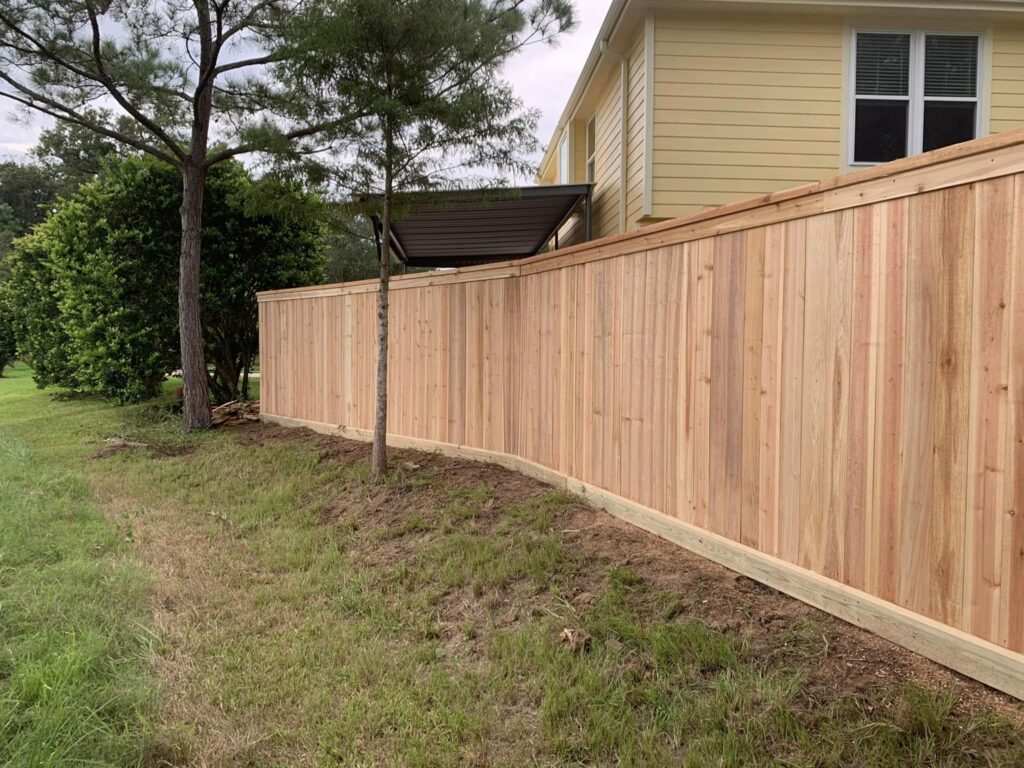
It’s common for a wood fence in Forest City, NC to last 10-20 years if you perform regular sealing and proper drainage, but rot and termites and humidity can shorten lifespan.
Key Takeaways:
- Wood type determines lifespan: pressure-treated pine typically lasts 15-20 years, cedar or redwood 15-25 years, and untreated pine 5-8 years in Forest City, NC.
- Forest City climate and soil moisture increase rot risk: proper installation with good drainage and avoiding direct ground contact reduces decay.
- Regular maintenance extends life: annual staining/sealing and prompt board replacement can push a fence beyond 20 years; minimal upkeep usually yields 10-15 years.
Forest City Climate and Environmental Factors
Climate in Forest City, NC brings warm, humid summers and frequent rain that accelerate rot and mildew, so you will need proactive maintenance. Thou should choose pressure-treated or cedar and allow airflow to reduce moisture build-up.
- Wood fence lifespan
- High humidity
- Termites and pests
Impact of High Humidity and Annual Rainfall
Humidity and annual rainfall keep fence boards damp, so you will see faster decay, warping, and finish failure; improve drainage, elevate posts, and seal end grains to limit damage.
Local Pest Pressures and Termite Risks
Pests such as subterranean termites and carpenter ants attack damp wood, so you must inspect annually and use treated posts, proper spacing, and soil barriers to reduce infestation.
You should watch for mud tubes, hollow-sounding posts, and peeling paint as signs of termite activity; inspect where wood meets soil, maintain moisture control, consider borate-treated lumber or concrete post bases, and call a professional if you find active damage.
Choosing the Right Wood Species for Longevity
Pick a rot-resistant species like cedar or redwood, or choose pressure-treated pine for affordability; you should expect 10-30+ years depending on maintenance, moisture exposure, and finish.
Performance of Pressure-Treated Pine
Pressure-treated pine gives you the best value; copper preservatives resist fungus and insects, but you must apply stains or sealers to prevent surface decay and extend life to 20-30 years in Forest City.
Durability of Western Red Cedar and Redwood
Cedar and redwood naturally shed moisture and contain tannins that resist rot and insects, so you’ll get superior longevity with minimal chemical treatment when sited and maintained properly.
When you choose cedar or redwood, expect slower decay but watch for sun-driven checking; use stains that block UV while allowing wood to breathe, and perform periodic inspections to address moisture intrusion.
Professional Installation Standards in North Carolina
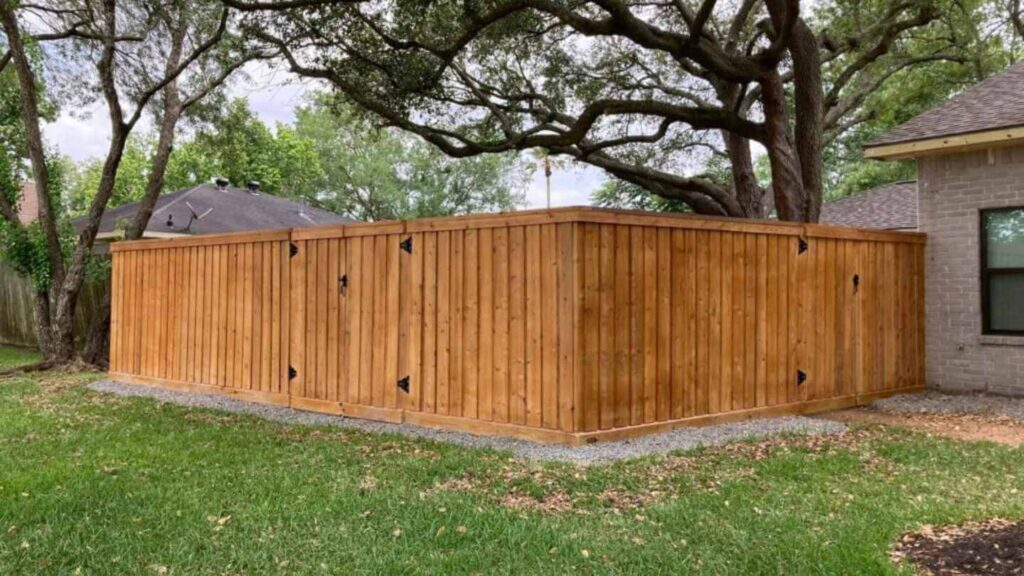
Local contractors follow state codes requiring pressure-treated posts, proper anchoring, and documented setbacks, so you should confirm permits and hiring standards to protect your fence warranty and property value.
Proper Post Depth and Concrete Anchoring
Posts must be set below grade to resist frost and movement; you should place them in concrete footings with adequate depth and drainage to prevent leaning and premature rot.
Ensuring Adequate Ground Clearance and Drainage
Slope the soil away from your fence and allow at least 2-3 inches of clearance under the bottom rail so water won’t wick into boards and you avoid accelerated decay.
Check drainage trenches, gravel beds, and grade around posts to divert water away from wood and concrete. Poor drainage causes rot and premature failure, so you should remove debris, correct pooling, and trim vegetation to extend the life of your fence.
Essential Maintenance for Maximum Lifespan
Maintenance protects your wood fence; you can extend life by staining, sealing, cleaning, and repairing on schedule, and by replacing rotten posts before they cause collapses.
Staining and Sealing Schedules
Staining guards wood against moisture and UV; you should stain or seal every two to three years in Forest City to prevent splitting, fading, and early rot.
Annual Cleaning and Structural Inspections
Inspect annually for mold, rot, loose fasteners, and leaning posts; you should tighten hardware, replace damaged boards, and address ground contact to stop progressive failure.
Check around each post for soil movement and trapped moisture; you should power‑wash mildew with a mild detergent, let wood dry fully, then reapply finish. Replace any post with significant decay or movement, and lift nearby vegetation to reduce constant dampness that accelerates rot.
Average Lifespan Expectations
Expect a typical wood fence in Forest City to last 10-20 years with routine care you perform; local humidity nudges that range. Any missed maintenance or prolonged ground contact accelerates rot and shortens service life.
- wood fence
- Forest City
- rot
Estimated Years for Untreated vs. Treated Wood
Treated lumber commonly lasts 15-25 years if you seal and maintain it, while untreated wood often reaches only 5-10 years under Forest City’s humid conditions.
Factors That Accelerate or Delay Decay
Local moisture levels, poor drainage and constant ground contact speed decay, while the sealing, ventilation and scheduled repairs you do delay it.
Inspect boards for warping, splitting, fungal stains and insect activity, and address weak spots you find to limit spread. Any prolonged exposure to wet soil or clogged gutters greatly increases rot risk.
- moisture
- insects
- maintenance
Signs It Is Time for a Fence Replacement
When you notice multiple failing boards, persistent rot, or wide gaps, it’s a clear signal you should replace the fence. If posts wobble and panels sag, that indicates safety risks and decreased property value. Plan replacement when repairs won’t restore structural integrity.
Identifying Irreparable Dry Rot and Termite Damage
Spotting deep, crumbly wood that won’t hold a screw or visible termite tunnels means irreparable dry rot or an active termite infestation. You should replace affected sections or the whole fence when decay extends beyond the surface or pests are widespread, since treatment won’t restore load-bearing strength.
Assessing Structural Leaning and Foundation Failure
Observe posts tilting, panels pulling away, or soil erosion at post holes; these are signs of foundation failure and increased collapse risk. You should replace the fence when straightening and resetting posts fail to correct the lean or when multiple posts are compromised.
Inspect the line of posts for consistent plumb and measure gaps at the top of panels; sinking, heaved, or washed-out footings point to undermined footings and a high collapse risk. Probe post bases with a screwdriver for soft wood, check concrete for cracking or voids, and watch for standing water or root pressure that shifts soil. Replace individual posts by digging out old footings and resetting with concrete and galvanized anchors, but opt for full replacement if more than a few posts fail or panels no longer align; get a professional evaluation when safety is at stake.
To wrap up
The lifespan of a wood fence in Forest City, NC depends on the type of wood used, the quality of the installation, and how well the fence is maintained over time. In general, a properly installed and well-maintained wood fence can last many years, but moisture, humidity, termites, and poor drainage can shorten its life much faster in North Carolina conditions. Homeowners comparing the expected lifespan of pressure-treated wood fencing, cedar fencing, or other wood fence materials should also think about sealing, staining, airflow, and keeping the fence away from constant ground moisture. Regular upkeep such as cleaning, repairing damaged boards, and protecting the wood from water exposure can make a major difference in how long a residential wood fence in Forest City, NC continues to look good and perform well. For long-term value, both the material choice and the maintenance plan matter just as much as the original installation.
If you are planning a wood fence installation in Forest City, NC or wondering whether your current fence is nearing the end of its lifespan, Bullzeye Fence, LLC can help. Our fence contractor team installs quality fencing designed for durability, curb appeal, and long-term performance in local conditions. Whether you need a new wood fence, expert guidance on the best material for your property, or help replacing an aging fence, Bullzeye Fence, LLC is here to provide trusted solutions that fit your home, your goals, and your budget.