
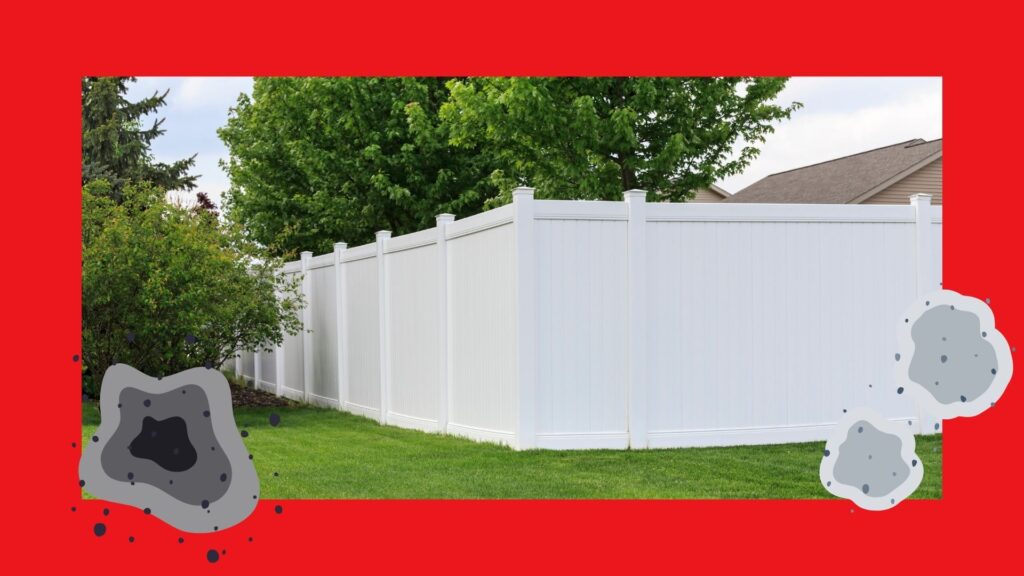
This guide shows you how to prevent mildew and green algae on vinyl fencing in shady backyards, with simple cleaning routines and protective measures to stop slippery, stain-causing growth and reduce allergy or respiratory irritation, extending fence life and curb appeal.
Key Takeaways:
- Clean vinyl fence every 1-3 months with a soft brush and mild detergent or a 1:4 bleach-to-water solution, then rinse thoroughly to remove mildew and algae.
- Trim back vegetation and clear debris to improve airflow and sunlight; keep a 6-12 inch plant-free gap to reduce persistent moisture.
- Apply vinegar or oxygen-based bleach treatments for prevention, avoid high-pressure washing that can damage vinyl, and repair spots where water pools.
Identifying Environmental Factors for Growth
Shady, humid corners invite mildew and green algae on vinyl fencing, especially where leaf litter and poor airflow collect. Thou must monitor shade levels and humidity to spot hotspots early.
- Shade: dense canopy and north-facing fences
- Humidity: poor drainage and lingering moisture
- Organic debris: leaves, soil splash, and bird droppings
Impact of Persistent Shade and Humidity
Persistent shade traps moisture so you see constant dampness that feeds mildew and green algae; you should open the canopy, trim brush, and improve drainage to break the wet cycle.
Why Vinyl Surfaces Attract Organic Matter
Vinyl’s textured panels hold moisture and tiny crevices collect debris, so you often get organic films where green algae and mildew colonize quickly.
Surface imperfections, micro-scratches, and trapped debris create a thin biofilm that gives spores the nutrients they need; you will see mildew and green algae cling to vinyl fencing where leaf stains, bird droppings, and high humidity persist, so regular cleaning prevents long-term discoloration.
How-to Perform Initial Deep Cleaning
Begin the deep clean by rinsing panels, applying your diluted cleaner, and letting it sit 5-10 minutes so spores loosen; you should wear gloves and eye protection and keep pressure low to avoid warping seams.
Selecting Safe and Effective Cleaning Solutions
Choose a mild, diluted cleaner such as oxygen bleach or a soap-based solution; you must avoid undiluted chlorine bleach and solvents that can discolor or weaken vinyl and harm nearby plants.
Scrubbing Techniques to Remove Embedded Spores
Use a soft-bristle brush and steady, circular strokes to lift spores, working top to bottom; you should avoid metal brushes and aggressive pressure that will scratch or crack the surface.
When scrubbing, work one panel at a time, follow the fence’s profiles, and use a toothbrush for grooves; you should rinse between passes, repeat stubborn spots, and keep any pressure washer at a safe distance since high-pressure contact can force water into seams and cause hidden mold.
Proactive Tips for Vegetation Management
Proactive pruning and spacing reduce mildew and green algae on vinyl fencing in shady backyards by improving airflow and sunlight. Perceiving how each plant affects moisture helps you choose the right tasks.
- Trim overhangs to boost sunlight and airflow
- Maintain a gap from foliage to vinyl fencing
- Clear leaf litter that traps moisture
Trimming Overhanging Branches for Better Sunlight
Trim overhanging branches to increase sunlight and airflow, cutting to healthy growth points so you lower mildew and green algae risk.
Maintaining a Gap Between Foliage and Fencing
Keep a 6-12 inch gap between foliage and vinyl fencing so moisture can’t cling and you reduce algae and mold buildup.
Spacing that 6-12 inch buffer lets wind and sun dry surfaces; you should trim shrub bases, pull vines and groundcover away, and install a narrow gravel or mulch strip to prevent contact. Inspect seasonally, clear leaf litter, and treat stubborn green algae with a diluted bleach or vinegar solution applied safely to protect the vinyl fencing finish.
How-to Improve Airflow Around the Perimeter
Create gaps between the fence and nearby vegetation by trimming shrubs and removing debris to increase air movement and reduce surface moisture; this helps prevent mildew and green algae on vinyl fencing.
Strategic Landscaping for Better Ventilation
Prune lower branches and keep plants at least 12 inches from the fence so you encourage cross-breezes, reduce damp shade, and improve cleaning access, which lowers algae and mildew risk.
Reducing Ground-Level Moisture Retention
Lower mulch depth near the fence, replace heavy compost with gravel or coarse sand, and slope soil away so water doesn’t pool; these steps cut persistent dampness that feeds algae.
Adjust soil grade so the ground slopes at least 1/8-1/4 inch per foot away from the fence, pull back soil and plant material so vinyl doesn’t contact damp earth, and install a 6-12 inch gravel or crushed stone strip to wick moisture away. You should also eliminate areas of standing water, consider a perimeter drain if pooling persists, and direct gutters away from the fence.
Essential Tips for Routine Maintenance
Keep your vinyl fencing clear with simple weekly checks and light cleaning; spot-treat mildew and green algae early.
- Brush with soft bristles
- Use mild detergent
Knowing you prevent stubborn stains and reduce decay risk by staying consistent.
Implementing a Seasonal Inspection Schedule
Plan biannual checks each spring and fall so you spot green algae, mildew, loose posts, and trapped moisture in shady backyards. You should inspect hidden seams and under rails, documenting trouble spots for targeted cleaning.
Quick-Rinse Methods to Prevent Buildup
Rinse weekly with a garden hose and a nozzle so you wash away spores before they set, focusing on shaded panels and crevices. Use soft brushes for stubborn patches and avoid high-pressure washers that can damage vinyl fencing.
Use a spray nozzle set to a fan or medium stream and aim downward at a 45° angle so you flush spores from seams without forcing water behind panels. Pre-soak stubborn areas with diluted detergent, scrub with a soft brush, then rinse thoroughly. Avoid high-pressure washers and concentrated chlorine bleach, which can damage seals and harm nearby plants; regular gentle rinsing helps prevent buildup.
Applying Preventative Treatments
Applying targeted treatments helps you stop mildew and green algae before they take hold; use mildew-resistant coatings and regular anti-microbial sprays to maintain a clean fence and reduce long-term damage.
Using Mildew-Resistant Protective Coatings
Choose a vinyl-safe, mildew-resistant protective coating you can apply after cleaning; protective coatings block spores, shed moisture, and cut staining without harming the finish.
Long-Term Benefits of Anti-Microbial Sprays
Regularly applying anti-microbial sprays gives you ongoing suppression of spores and prevents regrowth, cutting cleaning time and protecting vinyl from discoloration.
Select sprays labeled for long residual control and safe for vinyl; you should reapply seasonally or after heavy rain, wear gloves and eye protection, and choose EPA-registered formulas to reduce exposure to airborne mildew spores while preserving fence appearance and longevity.
Summing up
Mildew and green algae don’t just appear overnight — they develop when moisture, shade, and organic buildup are left unmanaged. In shady backyards, simple steps like improving airflow, trimming vegetation, and maintaining a consistent cleaning routine can make a major difference in preventing long-term staining and surface damage.
By keeping panels clean, reducing ground-level moisture, and applying protective treatments when needed, homeowners can preserve both the appearance and durability of their vinyl fencing. Regular inspections also help catch problem areas before buildup becomes difficult to remove.
At Bullzeye Fence, LLC, we guide homeowners on maintaining vinyl fencing in moisture-prone environments to ensure long-lasting performance. As an experienced fence contractor, we understand how local conditions affect fence materials and can recommend practical solutions that keep your fence looking clean year-round.
If your vinyl fence is showing signs of mildew or algae, working with a knowledgeable fence contractor can help prevent recurring issues and extend the life of your installation.