
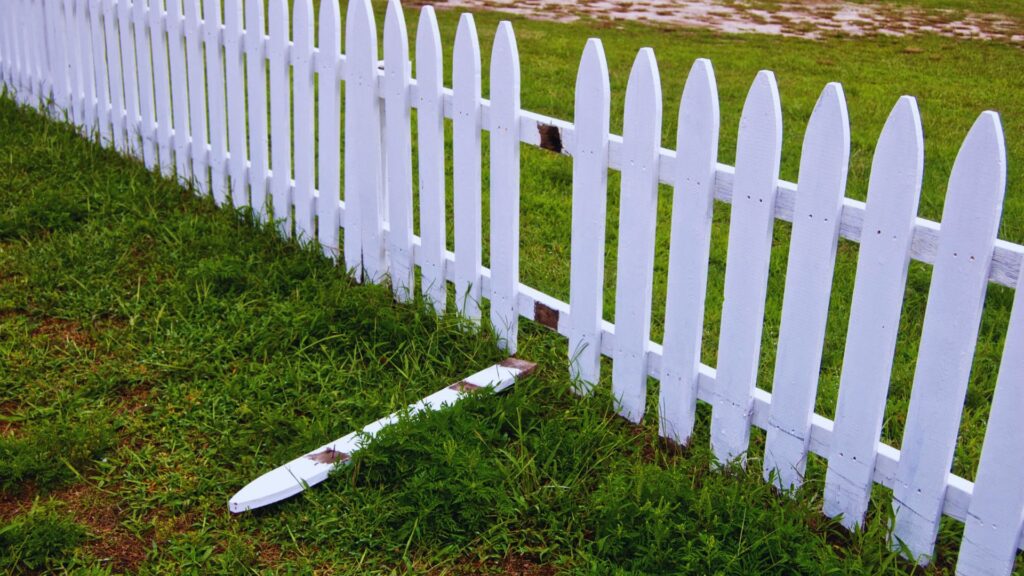
Most homeowners, including you, overlook simple installation errors that cause vinyl fences to warp: improper post depth and inadequate anchoring can lead to panel bowing or collapse, while correct spacing and ventilation prevent heat-related distortion.
Key Takeaways:
- Improper post spacing and lack of reinforcement prevent panels from expanding and contracting, causing bowing; install posts at correct intervals, add aluminum or steel rails where needed, and leave expansion gaps.
- Direct sun exposure and dark colors raise panel temperature and soften vinyl, producing warp on long unsupported runs; choose lighter colors and add intermediate supports every 6-8 feet.
- Poor grading and panels touching soil trap moisture and unevenly support rails, leading to sag and twist; set posts plumb in concrete to proper depth, keep bottom rails off the ground, and slope panels with the yard.
The Science of Thermal Expansion in PVC
Heat forces PVC chains to vibrate and the material to lengthen; when you fix panels too tightly, that movement translates into warping and buckling. Allowing controlled movement at posts and using correct gap spacing prevents trapped stress and long-term distortion.
Understanding Molecular Movement in Polymers
Polymers in PVC are long chains that become more mobile as temperature rises, which increases thermal expansion; if you restrict that mobility with rigid fasteners, panels will deform rather than expand freely.
How Darker Pigments Accelerate Heat Absorption
Darker pigments soak up more solar radiation, pushing vinyl surface temperatures higher and causing greater expansion and accelerated aging unless you provide extra clearance during installation.
Surface heating from dark pigments creates steep temperature gradients between the hot exterior and cooler core, driving uneven expansion, edge curling, and increased creep; you can mitigate risk by choosing reflective or UV‑stable pigments and instructing installers to use slotted holes, larger expansion gaps, and nonbinding attachments so the fence can move safely as it heats and cools.
Foundation Failures: Improper Post Installation
Posts placed too shallow or poorly backfilled let ground movement reach the fence, so you see warping. If water freezes, frost heave will shift posts, loosening panels and creating lasting stress points. You should check footings and anchoring depth to prevent these failures.
Inadequate Concrete Depth and Frost Heave
Shallow concrete footings allow freezing soil to lift posts; you’ll notice gaps, leaning, and bent rails as the fence warps. Use below-freeze-depth footings and proper drainage to prevent frost heave from cracking anchors and transmitting movement into the vinyl panels.
The Impact of Poor Vertical Alignment on Stress Points
Misaligned posts transfer uneven loads into rails, forcing vinyl panels to bow or twist; you’ll see concentrated pressure where fasteners pull. Correct plumb installation minimizes stress points and reduces premature warping.
Plumb posts align loads evenly so brackets and rails don’t take offset tension; if you install a run out of vertical, those offsets create concentrated stress at joints, fasteners, and panel edges. You should brace posts until concrete cures, verify plumb on multiple faces, and maintain consistent spacer gaps so thermal expansion and wind loads don’t compound misalignment into widespread warping or broken connections.
The Necessity of Expansion Gaps
Gaps at posts and rail ends let vinyl expand and contract; if you don’t provide them, panels will warp, stress fasteners and void warranties.
Why “Tight” Rail Fitting Causes Bowing
Tight rail fitting holds rails rigid so thermal movement forces panels to bow; you should allow slot play and flexible fasteners to prevent visible deformation.
Calculating Clearance for Seasonal Fluctuations
Thermal expansion varies with length and temperature, so you should plan roughly 1/8″ per 10 feet as a starting gap and increase in hotter climates to avoid binding.
Measure actual run length and use the formula ΔL = L × CTE × ΔT, using the manufacturer’s CTE for vinyl (≈3.2×10⁻⁵/°F) to calculate movement. For a 10‑foot run with a 60°F swing that yields ~0.23″ expansion, you should allow at least a 1/4″ gap per panel end to prevent stress and failure.
Structural Reinforcement and Span Limits
Posts and post spacing set the span limits; if you space rails too far apart, you leave vinyl panels unsupported. You must follow manufacturer’s span charts and add internal reinforcement where specified to prevent warp and sag.
The Role of Internal Aluminum Channels
Channels inside rails transfer load and control thermal movement; when you insert aluminum channels correctly, panels stay straight under heat and wind. Missing or undersized channels make vinyl more prone to permanent distortion.
Why Over-Extending Panel Width Leads to Sagging
Panels wider than recommended act like long beams that deflect between posts, so you’ll notice mid-span sagging and faster creep. Shorten spans or add posts to avoid structural failure.
You compound the problem when rails are not supported by mid-posts or when top and bottom rails lack continuous aluminum stiffeners; thermal expansion then causes panels to bow outward and stay deformed. Wind load cycles and gravity accelerate the plastic’s creep, so improperly spaced posts, undersized channels, or skipping end caps can produce irreversible warping. Correct spacing, continuous channels, and occasional expansion gaps let the fence maintain alignment over years.
Gate Hardware and Weight Distribution
Gate hardware choices and poor weight distribution make you see warping over time; if hinges and latches aren’t matched to gate size, you get frame stress and panel bowing that accelerates vinyl deformation.
Corner Post Deflection from Heavy Gate Loads
Heavy gate loads force you to rely on corner posts that can deflect, causing misalignment and sagging; untreated deflection transfers stress along panels and speeds vinyl warping.
Proper Hinge Placement to Prevent Frame Distortion
Correct hinge placement keeps your gate frame square by distributing weight evenly; place hinges close to corners and align them vertically to avoid twist-induced warping that deforms adjacent vinyl pickets.
Spacing hinges correctly – typically one near the top, one near the bottom, and a third midline for wide or heavy gates – ensures you won’t create torque that twists the frame. You should set hinges so load paths go into the post, using reinforced mounts or through-bolts to stop forces pulling on vinyl rails. Inspect for loose fasteners and small gaps, since tiny misalignments produce permanent bowing in panels.
Site-Specific Environmental Risks
Site-specific factors like sun exposure, reflective surfaces, and poor grading concentrate forces that make your vinyl panels warp; you should map these high-risk areas before installing to prevent costly damage.
Heat Reflection from Windows and Hardscaping
Reflected heat from windows or concrete can raise local temperatures enough that your vinyl becomes pliable and warps, so you must avoid placing panels in concentrated glare paths.
Soil Drainage Issues and Post Shifting
Poor drainage saturates soil around posts so your fence can lean or shift, meaning you should correct grading and install proper gravel backfill and drainage to keep posts stable.
If you ignore drainage, repeated saturation and drying will loosen backfill and cause post movement, producing leaning panels, widened gaps, and faster vinyl warping. You should set posts on compacted gravel, pour concrete sleeves only when necessary, bury footings below the frost line, and add perimeter drains or dry wells to route water away from posts.
Summing up
Vinyl fences don’t warp on their own — they warp when key installation details are overlooked. Tight rail fitting, shallow posts, missing reinforcement, or poor site planning can all create stress that shows up later as bowing, sagging, or panel distortion.
By allowing proper expansion gaps, setting posts at the correct depth, reinforcing long spans, and accounting for sun exposure and drainage, homeowners can avoid the most common causes of vinyl fence warping. A properly installed vinyl fence should be able to expand and contract naturally without losing its shape or strength.
At Bullzeye Fence, LLC, we focus on installation techniques that help prevent these issues from the start. As an experienced vinyl fence contractor, we ensure vinyl fences are built with the right spacing, support, and structural alignment for long-term performance in local conditions.
If you’re planning a vinyl fence installation, working with a knowledgeable fence contractor can make the difference between a fence that warps over time and one that stays straight for years to come.