
Eco-Friendly Fence Options
INQUIRE NOW TO GET A FREE QUOTE!
What Makes a Fence Eco-Friendly
An eco-friendly fence is defined by how materials are sourced, how long the fence lasts, and how it is installed. Sustainable fencing emphasizes longevity, reduced maintenance, and efficient use of materials rather than frequent replacement.
Key eco-friendly considerations include:
Long service life to reduce replacement waste
Materials that are recyclable or responsibly sourced
Installation practices that minimize unnecessary material loss
Designs that fit the property to avoid overbuilding
Sustainable Fence Options for Environmentally Conscious Property Owners
Eco-friendly fence options focus on durability, responsible material use, and long-term performance. Bullzeye Fence, LLC offers fence materials and designs that help reduce waste, extend product lifespan, and support environmentally responsible property planning for residential and light commercial projects.
Eco-Friendly Fencing Material Options

Durable Aluminum Fencing with Long-Term Environmental Benefits
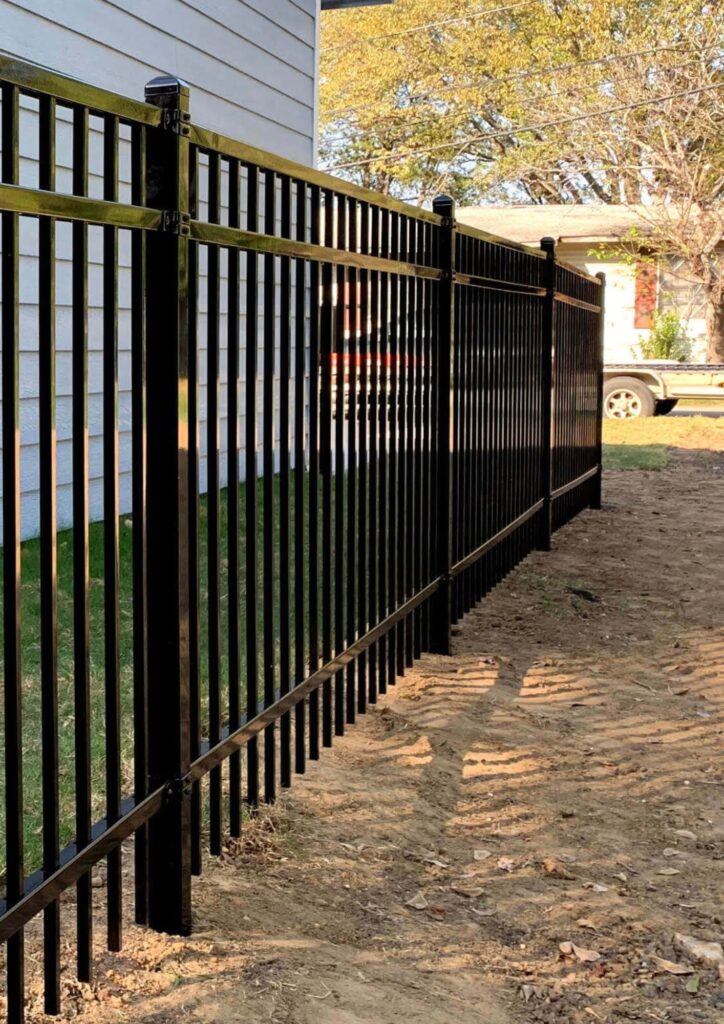
Aluminum fencing is widely recognized for its durability and low maintenance requirements. It does not rot, warp, or require chemical treatments, which helps limit long-term environmental impact. Aluminum fencing maintains its appearance and performance for many years, reducing the need for repairs or early replacement.

Low-Maintenance Vinyl Fencing That Reduces Long-Term Waste
Vinyl fencing offers consistent performance and minimal upkeep. Because it does not require painting, staining, or sealing, vinyl fencing reduces ongoing material use over time. Its resistance to moisture and pests supports a longer service life when properly installed and maintained.

Naturally Sourced Wood Fencing with Responsible Design
Wood fencing can be an eco-conscious option when paired with thoughtful planning and proper installation. Sustainable wood fencing focuses on efficient layouts, appropriate material selection, and designs that allow airflow and moisture control. These practices help extend the usable life of wood fencing and reduce unnecessary material waste.

Custom Fence Design That Minimizes Material Waste
Custom fence design plays an important role in sustainability. Designing a fence specifically for a property helps ensure that only the materials needed are used. Accurate measurements, appropriate fence height, and efficient layout all contribute to reducing excess materials while still achieving privacy, security, or boundary goals.
Eco-Conscious Installation Practices
Sustainable fencing also depends on how the fence is installed. Proper site preparation, efficient construction methods, and careful handling of materials help reduce waste during installation. Thoughtful planning helps avoid rework and supports a cleaner, more efficient build process.
Choosing the Right Eco-Friendly Fence Option
Selecting an eco-friendly fence involves balancing durability, function, and design. By focusing on long-lasting materials and property-specific planning, fencing projects can support sustainability while meeting practical needs.
Eco-friendly fence options are well suited for homeowners and property managers who value responsible material use, long-term performance, and efficient construction.